GSS2024 Test
未来を創る!次世代半導体生産に必要な業界標準とは?
会議棟 606会議室


先端パッケージング、サイバーセキュリティ、サプライチェーン、重要材料、持続可能な製造など、半導体業界のさらなる協力が必要な戦略的分野がまだまだあります。次世代の標準は、今日の課題に対処するだけでなく、将来の要因要件も満たす必要があります。この第1回目のSEMIグローバルスタンダードサミットでは、半導体業界の未来を形作る重要かつ分野横断的な3つのテーマを中心に、3年後、7年後を見据えた業界標準化戦略を議論します。業界のリーダーと共に、最前線での知見を共有し、戦略的な連携を強化することで、半導体業界の未来を共に創り上げましょう。
*ご参加者は「SEMIスタンダード授賞式・フレンドシップパーティー」にもご参加いただけます。詳細は会場にてご案内します。
プログラムアジェンダ
はじめに
Paul Trio(SEMI)
Boon Keng Lok(SEMI)
Topic1『次世代工場におけるスマートマニュファクチャリング』
製造環境全体の効率とスループットを改善するために、生産現場ではデジタルツイン、予知保全、AI/MLの利用を増やしています。これらのアプローチを最大限に活用するために、工場はサイバーセキュリティのリスクを低減し、IPを保護しながらサプライチェーン全体にわたって「スマート」データの転送を確保しなければなりません。このようなリスク領域に対処するとともに、多様な高度分析システムの連携と相互運用を支援し、工場の生産性向上のために人員を支援するための標準が必要とされています。例えば、加工レシピの調整や、フロー指向の工程をより効率的にスケジューリングすることなどが挙げられます。
ファシリテーター:Albert Fuchigami (PEER Group)
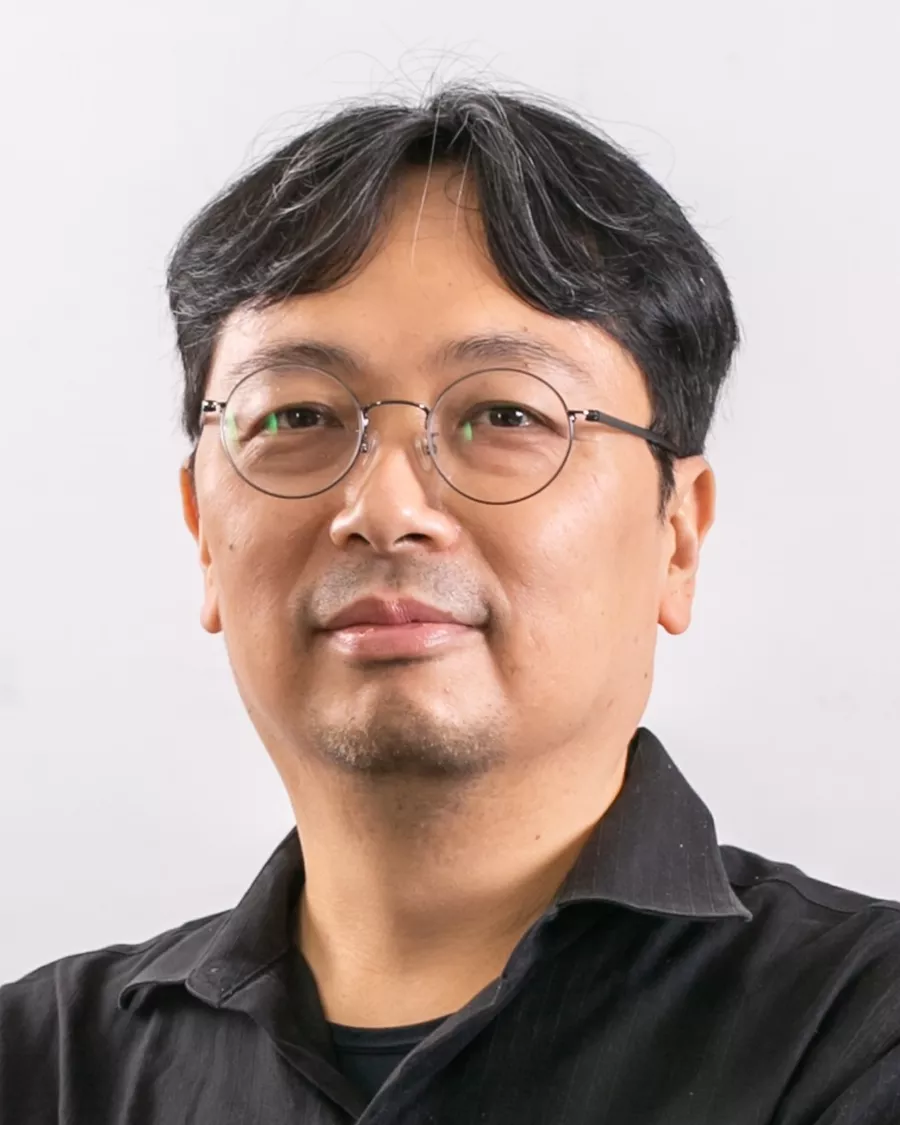
The semiconductor industry is rapidly advancing towards autonomous fabrication facilities, with equipment control as the linchpin of this transformation. This presentation explores the cutting-edge developments in equipment control for autonomous fabs, highlighting the transformative role of Generative AI (Gen AI) and the critical importance of data standardization in this evolution.
At the core of autonomous fab operations is the need for sophisticated, AI-driven equipment control systems. We'll examine how traditional control mechanisms are being revolutionized by the integration of advanced AI algorithms, particularly Gen AI. The discussion will showcase how these technologies are enabling more precise, adaptive, and predictive control of semiconductor manufacturing equipment, leading to unprecedented levels of efficiency and yield optimization.
A key focus will be on how Gen AI is reshaping equipment control paradigms in autonomous fabs. We'll explore real-world applications where Gen AI is being used to generate optimal process recipes, enhance real-time decision-making, and even predict and mitigate potential equipment failures before they occur. The presentation will delve into how Gen AI models are trained on vast amounts of historical and real-time data to continually improve equipment performance and adapt to changing manufacturing conditions.
While equipment control is at the forefront, we'll also address the crucial role of data standardization in enabling these advancements. We'll discuss how standardized data formats and protocols are essential for seamless integration of diverse equipment and AI systems in autonomous fabs. This includes exploring ongoing initiatives in data standardization for semiconductor manufacturing and proposing new avenues for industry-wide collaboration to develop comprehensive data standards that support both current AI applications and future Gen AI innovations in equipment control.
The presentation will address the challenges and opportunities in implementing Gen AI for equipment control, including the need for explainable AI decisions, ensuring robustness and reliability, and maintaining human oversight in critical processes. We'll explore strategies for balancing the autonomy of AI-controlled equipment with the need for human expertise and intervention when necessary.
Looking to the future, we'll discuss the potential of Gen AI to enable self-optimizing and self-configuring equipment in fully autonomous fabs. This includes exploring concepts like digital twins for equipment simulation and the potential for Gen AI to assist in equipment design and configuration for optimal performance in specific manufacturing scenarios.

英語サマリー

概要:TBA
Topic2『パッケージング設計と材料』
半導体のパッケージングは様々な進化をとげつつ、新旧共存という形で電子・電気機器の普及・発展を支えてきました。前工程の技術限界が見え隠れする現在、パッケージングはウェーハから最終電子・電気機器にいたる統合設計の中での役割を果たすようになります。また様々な新しい材料やプロセスが開発・実用化されていくことは確実です。本セッションでは、これからのパッケージングにおける標準化の役割と重要性について議論します。
ファシリテーター:加藤 凡典 (AiT)
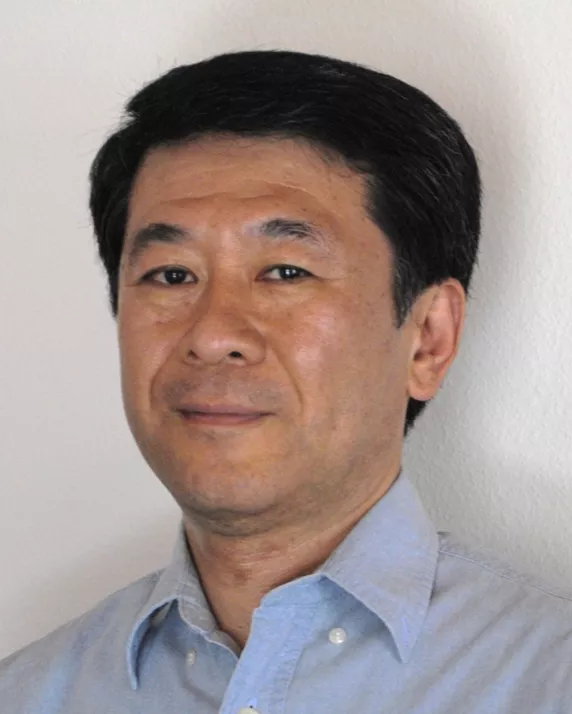
概要:TBA
概要:TBA

概要:TBA
Topic3『環境サステナビリティ』
半導体業界は、環境パフォーマンスを数値化することで財務的に意味のある影響を与えることができるネットゼロの時代に向かっています。二酸化炭素排出量や製造・製品中の有害懸念物質の有無など、環境負荷の測定・算定方法は業界全体で統一されていません。半導体業界がこの分野でより良い舵取りをするためには、一貫した一連の標準の存在が不可欠です。
ファシリテーター:Benjamin Gross (Applied Materials)
サマリー
サマリー
概要:TBA
パネル セッション
本サミットでは、次世代の工場、パッケージング設計と材料、環境サステナビリティに必要な標準に焦点を当てますが、これらは相互依存関係にあることも多く、さらに複雑なレイヤーをもたらします。パネルセッションでは、本サミットのプレゼンターを招き、これらの分野横断的なトピックを模索し、これらの複雑な課題解決に標準化がどのように役立つかを議論します。