Sustainability Summit -Circular Economy and GHGs
Bridging Academia and Industry
Conference Tower 608


As climate change becomes more serious, the semiconductor industry is facing an urgent need to work toward achieving net zero emissions. Focusing on the circular economy and greenhouse gases (GHG), this forum will discuss the role and path to be played by academia and industry in seeking a balance between people, planet, and profit, for a sustainable society and further development of the semiconductor industry.
Program Agenda
*Please note that the program may be subject to change.

As the demand for semiconductors grows, driven by advancements in both traditional and green technologies, material circularity and the availability of Critical Raw Materials are becoming increasingly vital. Japan, a critical hub for material suppliers and an essential player in the global semiconductor ecosystem, holds a key role in addressing these challenges. This presentation will provide an outlook for research and development aimed at enhancing circularity practices for key materials in the semiconductor value chain. It will outline a strategic inventory of prioritized materials that decision-makers can use to drive impactful circularity initiatives. Furthermore, it will call for collaboration with stakeholders across Japan’s robust ecosystem to support and accelerate these initiatives. Co-led by imec and SEMI, with contributions from the SEMI Circularity Working Group, this project seeks to foster closer collaboration within the global supply chain, ensuring a sustainable and resilient future for the industry.

For green and sustainable semiconductor device manufacturing, understanding of the fabrication processes and appropriate evaluation of materials based on life cycle assessment (LCA) are crucial. In this presentation, the recent AIST's activities regarding the evaluation of manufacturing processes, the development of materials and process database, and the collaborations with companies and research institutes are presented.
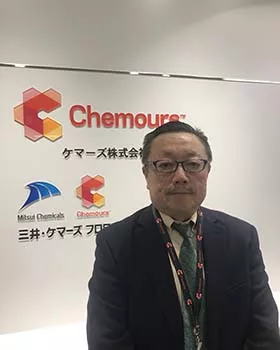
PFAS restriction proposal in EU, additional execution rule for AIM act are underway, and in Japan 2029 CO2eq reduction target is being reviewed. F-gas related regulatroy trend is presented.
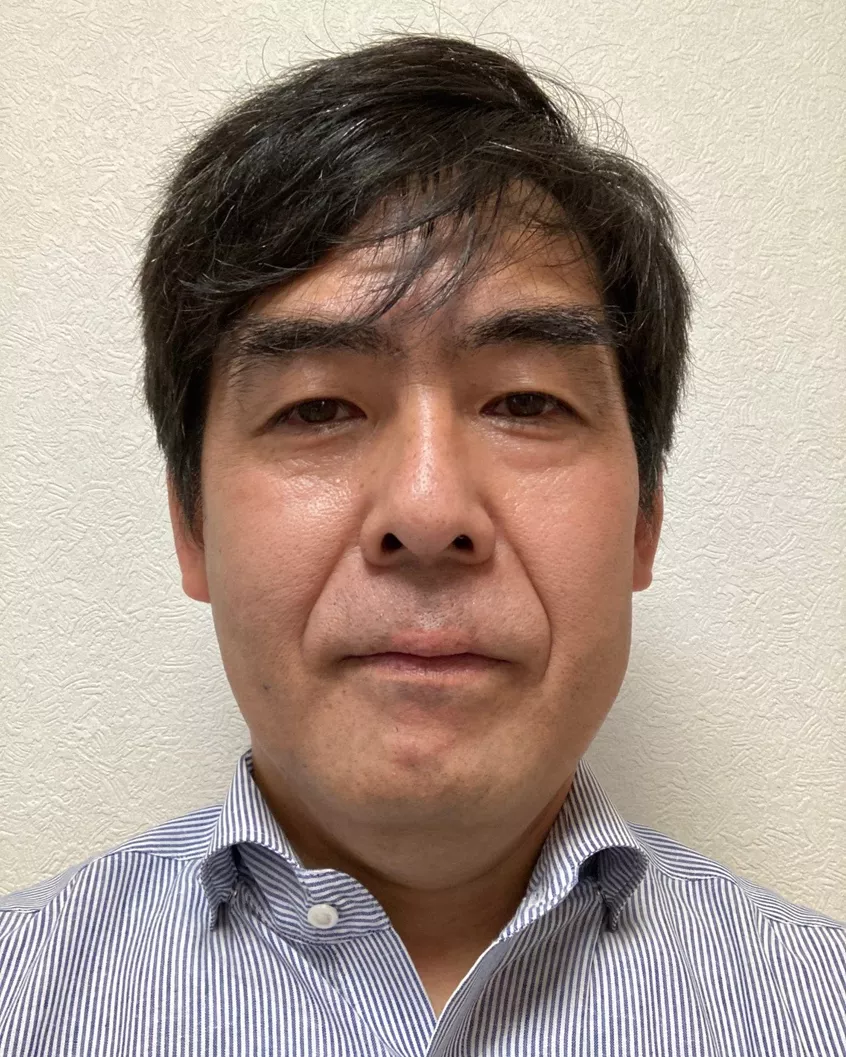
In pursuit of high production efficiency, semiconductor manufacturing plants tend to become larger and more concentrated in one location. Such locations require water utilization and water management, which must take into consideration the burden on public water infrastructure. In this presentation, we will introduce the required water management and the challenges.

United Nations
How can we transform the global challenge of waste mismanagement into an opportunity for sustainable development? Despite global efforts, a significant portion of waste is still mismanaged, leading to environmental and health impacts. This presentation explores the shift from traditional waste management to a circular approach, emphasising the importance of closing the loop to achieve zero waste. By embracing circular economy principles, we can reduce negative impacts and unlock the potential for waste to become a valuable resource.

概要:TBA
Sustainability Summit Sponsors



Session Sponsors